Qblinks
2.1 stars to 4.3, on a product people had already paid for
Qmote & tracMo · Smart Button + Bluetooth Tracker
Role
First UX Designer
Company
Qblinks, IoT hardware startup, Taiwan (~20 people)
Timeline
Apr 2016 – Sep 2017
2.1 → 0.0
Qmote's App Store rating, in about a month. It's a smart remote that had already raised US$219K from 5,999 Kickstarter backers (1,098% of goal).
Joined as Qblinks' first UX designer, working with a five-person dev team
Context
Joined a product people already paid for
In 2016, "smart button" and "Bluetooth tracker" were frontier products. Qblinks had shipped Qmote, a smart remote funded well past its Kickstarter goal. Then the reviews came in: 2.1 stars on the App Store. I joined as the company's first UX designer, working with a five-person dev team (iOS, Android, firmware, fullstack, QA) for users in the US, Japan, and Taiwan.
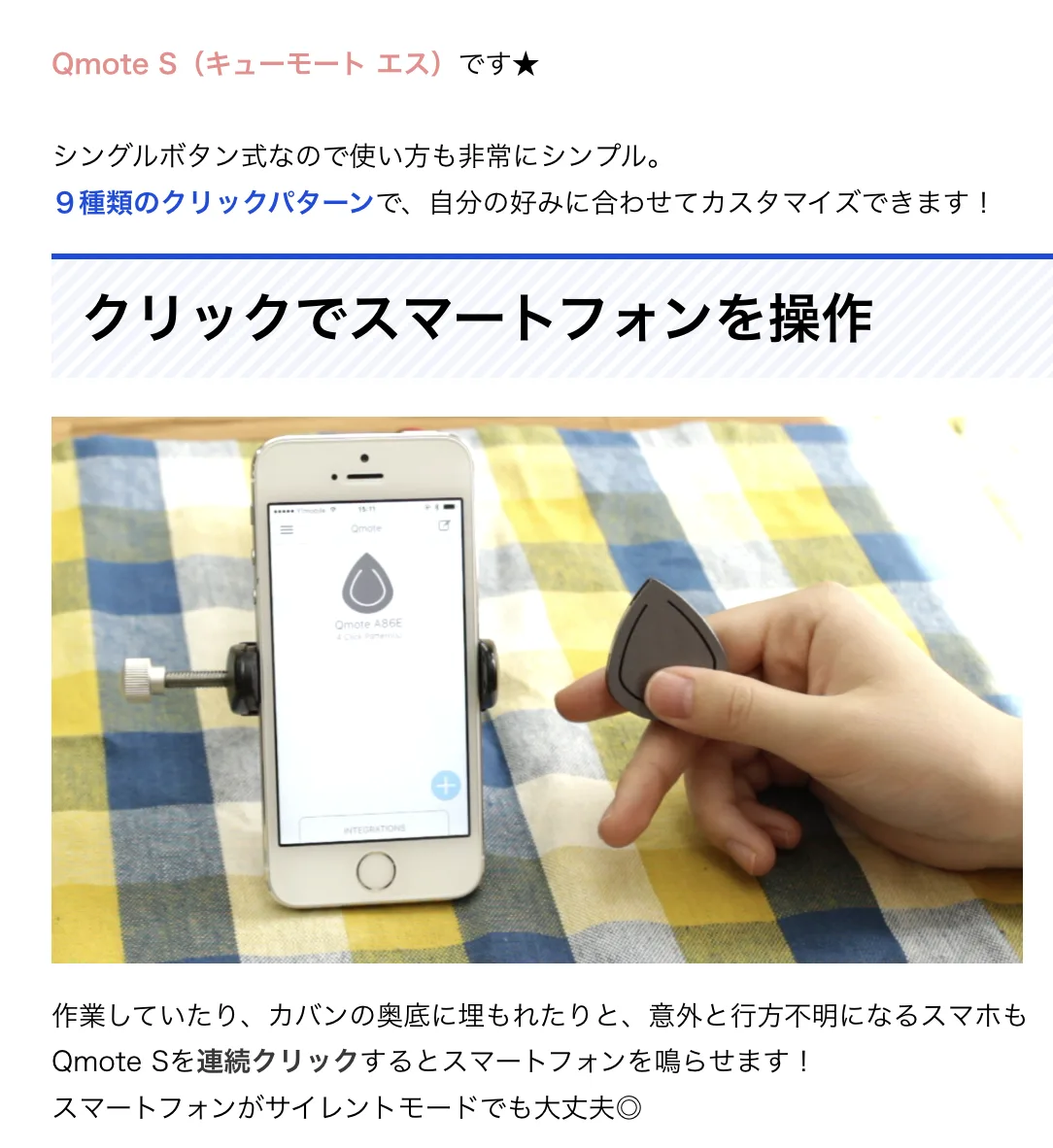
As seen in
Discovery
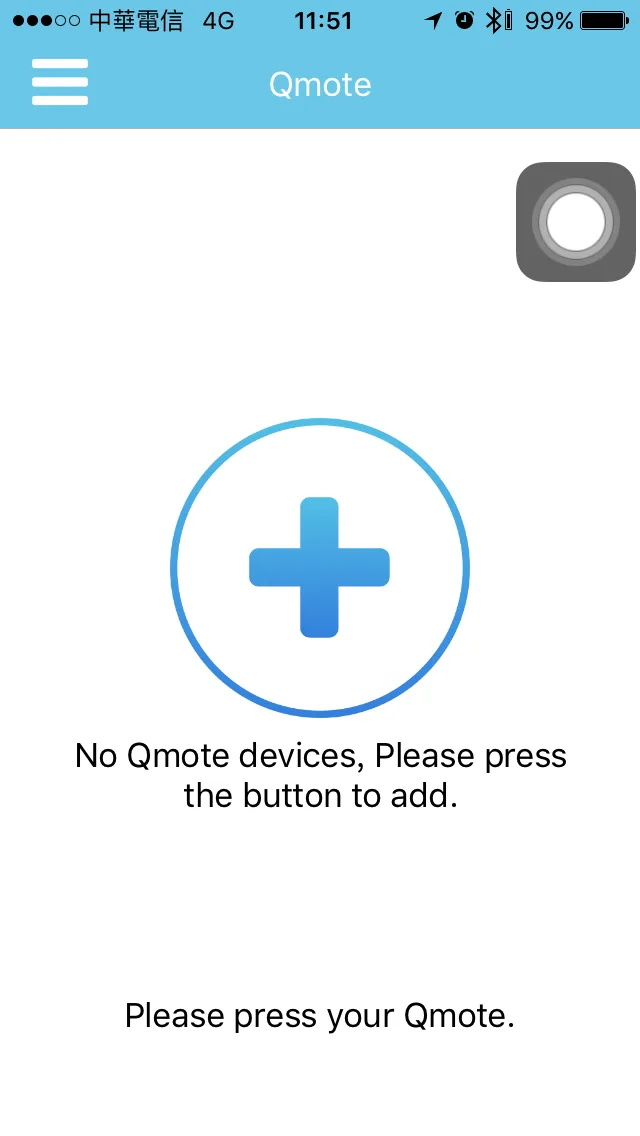
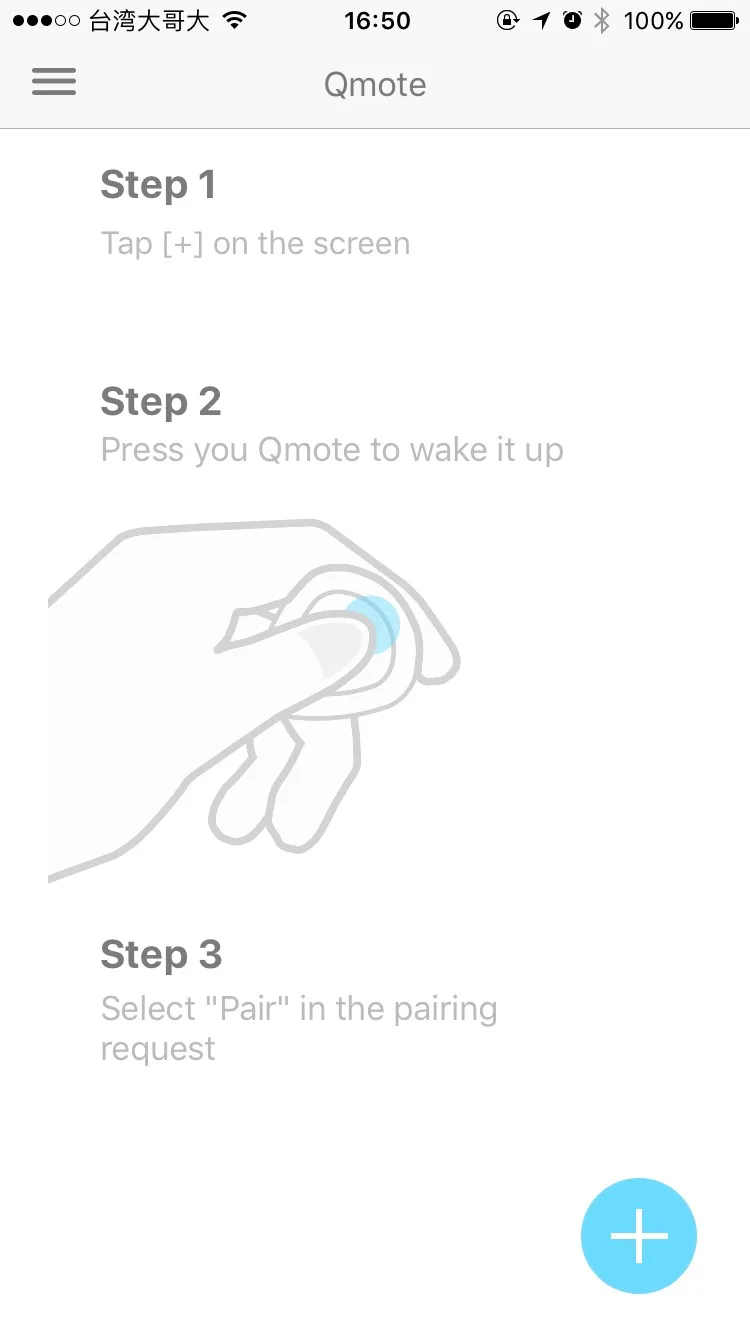
The 2.1-star app
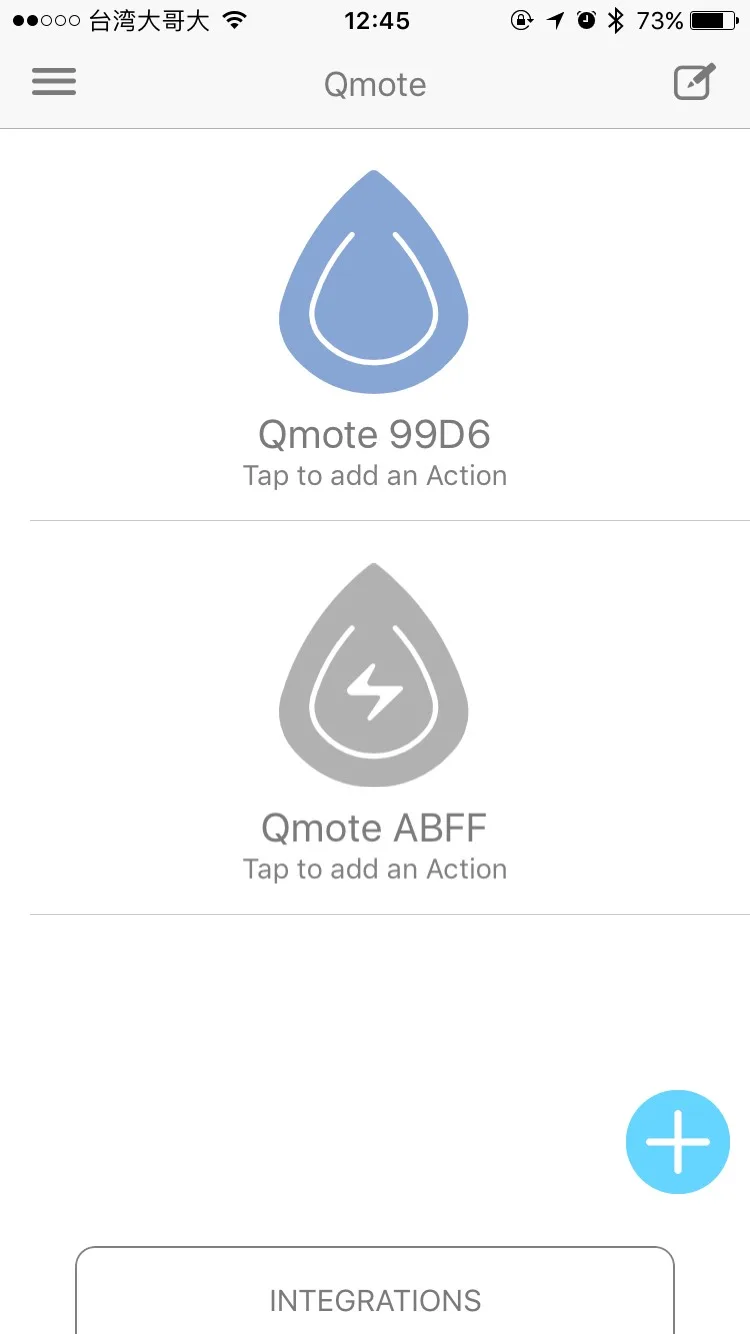
Reviews said Bluetooth pairing kept failing; the engineers said connections were fine. So I took the app to cafés and watched strangers set it up.
Part of the blocker wasn't the radio. The "+ New Device" button was so oversized that nobody read it as a button. Users never started pairing, then wrote reviews saying "can't connect."
Craft
Three fronts, one turnaround
I redesigned onboarding and the pairing flow around what I watched people actually do. The iOS and Android engineers hardened Bluetooth pairing for every device model that showed up in complaints. Marketing answered reviews one by one, telling users what we fixed.
App Store rating, in about a month
Designing tracMo from zero
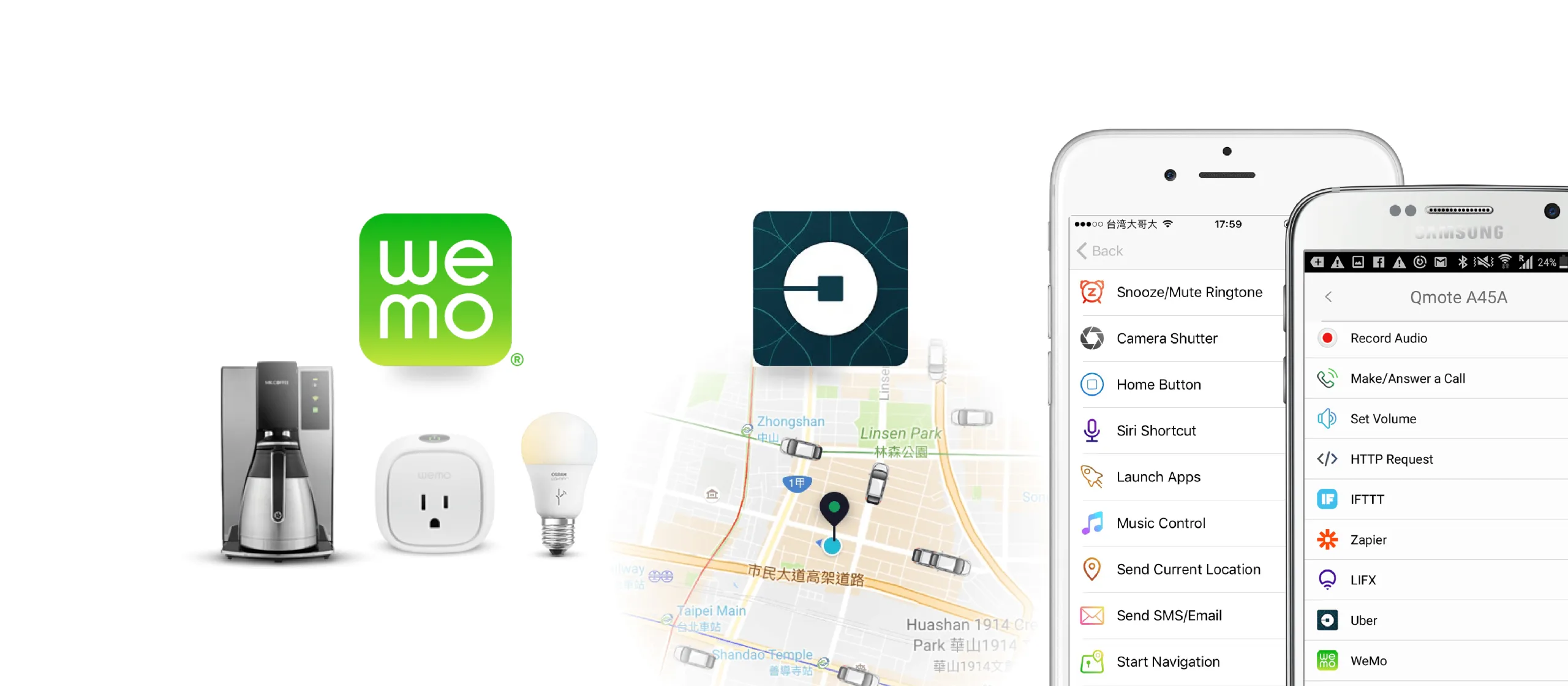
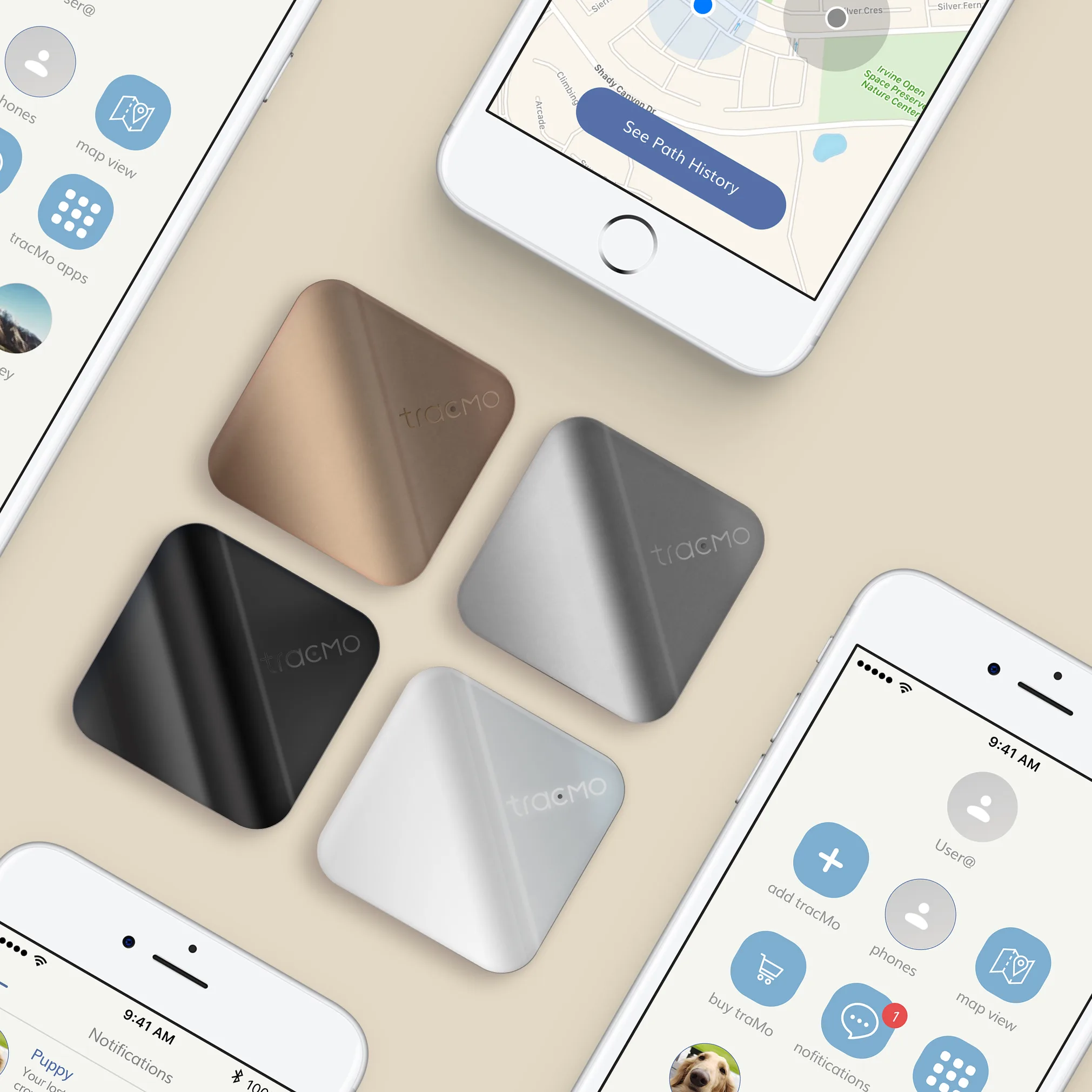
In 2017 the company bet on tracMo, the world's first Bluetooth 5 tracker, four years before AirTag. I designed the app from zero to launch: iOS and Android, in three languages, including Community Search, where every user's phone quietly helps find everyone else's lost items.
App Store rating
Google Play rating
downloads
US, Japan
cross-border on Amazon
Designing before the playbook existed
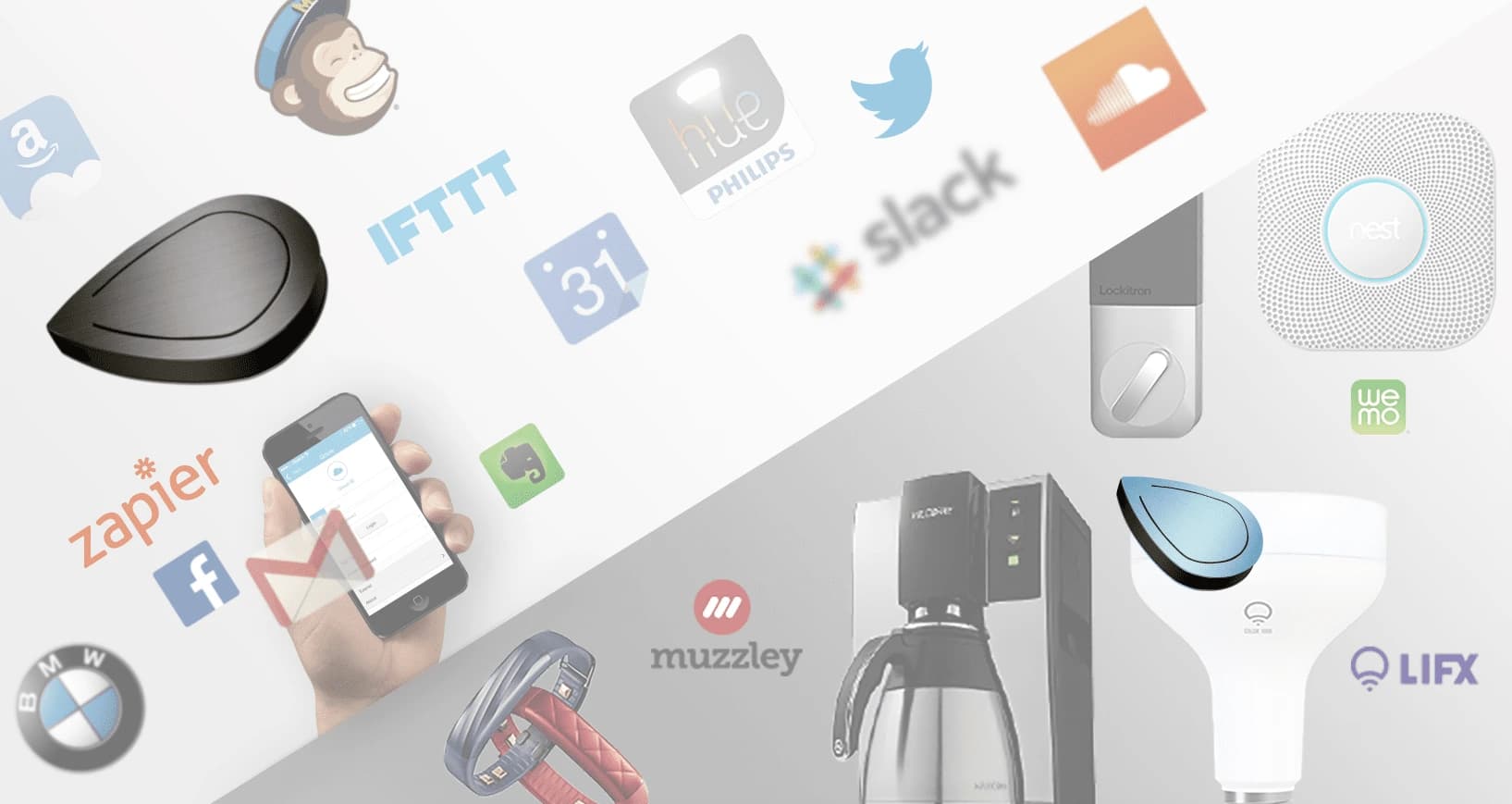
None of this had an established UX pattern in 2016. I shipped Zapier and IFTTT integrations back when "automation" meant first explaining to users what a trigger was, wrote interface copy in three languages for a US-primary market, and built the company's first design guidelines so the next designer wouldn't start from zero like I did.
What I kept from Qblinks
When the data and the engineers disagree, go sit in a café and watch a real person use the thing.
App Store rating, in ~1 month
raised, 5,999 Kickstarter backers
tracMo downloads, iOS & Android